

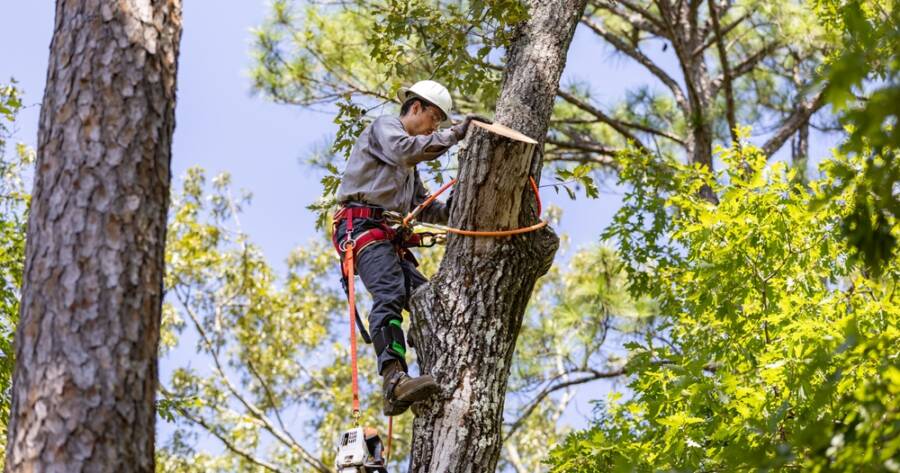
Removing a tree can be a routine landscaping decision or a complicated safety project, depending on its size, condition, location, and surroundings. Costs can vary widely, and the work may involve specialized equipment, risk assessment, permits, or coordination around nearby structures and utility lines. Understanding what professional tree removal includes can help homeowners compare estimates and know when expert care is worth the investment.
When Tree Removal Becomes Necessary
Not every tree on a property is a permanent fixture. Disease, storm damage, structural decline, and proximity to buildings or utility lines can all create situations where removal is the safest and most responsible path forward. A tree that has lost structural integrity poses a genuine hazard to structures, vehicles, and people nearby. In other cases, a tree may simply be in the wrong location—interfering with construction, blocking essential sunlight, or causing damage to foundations and underground systems.
Recognizing when a tree has moved beyond saving requires a trained eye. According to the International Society of Arboriculture (ISA), proper understanding of tree care helps homeowners “understand the quality of care necessary for the health of their trees” (source). When professional assessment determines that removal is the right course, acting promptly reduces risk and prevents further property damage.
What Professional Tree Removal Involves
Tree removal is a technically demanding process that requires specialized training, equipment, and safety protocols. Professionals approach each job with a detailed plan based on the tree’s size, condition, location, and the surrounding environment. A large oak near a home, for example, demands a very different removal strategy than a small ornamental tree in an open yard.
The equipment required for safe removal is extensive. Professionals rely on ropes, harnesses, rigging systems, carabiners, chainsaws, and wood chippers, among other tools (source). This level of equipment is not only costly to own and operate but requires significant expertise to use safely. Attempting to remove a large or structurally compromised tree without proper training and gear dramatically increases the risk of injury or property damage.
The ISA notes that topics such as storm-related tree damage and risk assessment are core areas of professional arboricultural knowledge (source). This expertise guides how tree professionals plan and execute removals, particularly in complex situations where the tree’s condition creates additional unpredictability.
Understanding the Cost of Tree Removal
Tree removal costs vary widely depending on the tree’s height, trunk diameter, location, accessibility, and the complexity of the job. Current national estimates put the average cost at around $750, with many homeowners paying roughly $200 to $2,000 for professional removal. Small, easily accessible trees may cost only a few hundred dollars, while large trees near homes, fences, utility lines, or other obstacles can cost several thousand dollars (source).
The condition of the tree can also affect the final price, although a diseased or damaged tree does not automatically cost more. A structurally unstable tree may require additional rigging, an aerial lift, a crane, or more careful dismantling, which can raise labor and equipment costs. In other situations, a dead or weakened tree may be easier to cut. Homeowners should expect the contractor to consider both the tree’s condition and how safely crews can access and remove it when preparing an estimate (source).
Stump grinding is another expense to ask about before approving a quote because it is often priced separately from tree removal. Leaving a stump in place can interfere with mowing, landscaping, or future planting, and some tree species may continue producing shoots. Homeowners who want the area cleared should confirm whether stump grinding, debris removal, wood chipping, and hauling are included in the quoted price so the final project cost does not come as a surprise.
Maintaining Trees Before Removal Becomes Necessary
Proactive tree care is one of the most effective ways to extend the life of trees on a property and delay or prevent the need for removal. Regular pruning, proper watering, soil management, and timely treatment of disease or pest problems all contribute to long-term tree health. The ISA provides educational resources covering management across a tree’s entire life span, from initial planting through mature tree care and risk evaluation (source).
Professional arborists can assess trees for early warning signs of structural weakness, root problems, or disease before conditions become critical. Scheduling periodic inspections—particularly after major storms or extended drought—gives property owners more options and more time to respond before a tree becomes a hazard.
Choosing the Right Tree Service Professional
Selecting a qualified tree removal professional requires more than comparing price quotes. Homeowners should look for providers with documented credentials, liability insurance, and a verifiable track record of safe and complete work. Certification through recognized organizations such as the ISA reflects a commitment to professional standards and ongoing education in arboriculture.
Getting multiple estimates before committing to a contractor is a common practice that allows homeowners to evaluate pricing, services offered, and professionalism. Reputable tree service companies will assess the site in person before providing a quote and will clearly outline what the project includes—whether that covers limb chipping, log hauling, stump grinding, or cleanup. Transparent communication from a contractor is a reliable indicator of professional service.
Why You Should Learn More About Tree Removal Services Today
Professional tree removal is a specialized field that combines horticultural knowledge, physical skill, and safety-focused planning. Whether a tree needs to come down due to storm damage, disease, or a planned construction project, working with experienced professionals ensures the job is handled efficiently and without unnecessary risk.
Costs depend on tree size, condition, and complexity, but the investment reflects the equipment, expertise, and liability coverage that qualified professionals bring to every project. Property owners who stay informed about tree care practices and removal options are better positioned to protect both their landscape and the long-term value of their home. Taking time to understand the process and knowing when to call a certified professional makes a meaningful difference in outcomes.