

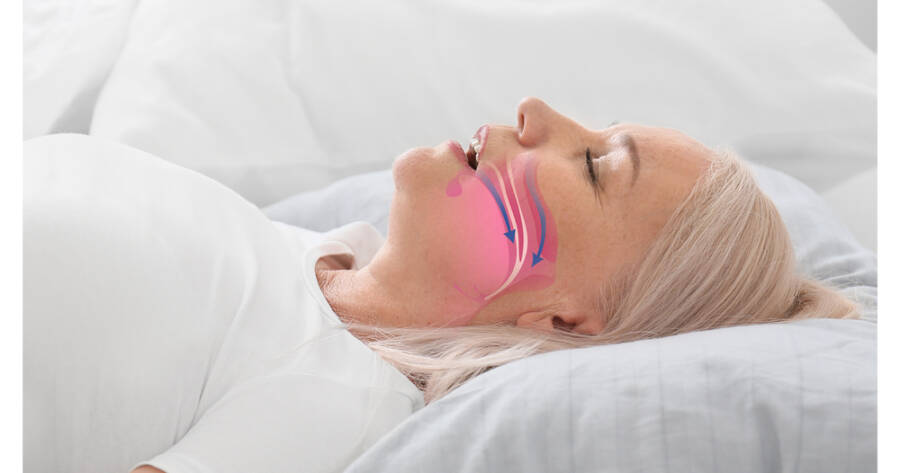
Anti-snoring devices are essential in addressing snoring’s impact on sleep quality and health. They work by maintaining airflow and reducing airway obstructions, with options like oral appliances and positional aids. Considering their effectiveness and limitations, alongside lifestyle changes, can greatly enhance well-being. Understand how modern tools contribute to better sleep and health management.
The Benefits of Anti-Snoring Devices
Anti-snoring devices have emerged as crucial tools in tackling the widespread problem of snoring. Snoring not only affects the quality of sleep for the snorer but also for their partners.
These devices work by keeping the airway open during sleep, thus reducing the vibrations that cause snoring by maintaining proper airflow. Among the range of options, oral appliances and positional aids are prominent. Oral appliances help by repositioning the jaw or preventing the tongue from blocking the airway, which can significantly improve sleep quality.
Types of Anti-Snoring Devices
There are various types of anti-snoring devices designed to address different snoring mechanisms. Mandibular advancement devices (MADs) advance the jaw forward, thereby widening the airway to facilitate breathing. Tongue-retaining devices (TRDs) prevent the tongue from falling back into the throat and are effective at reducing snoring episodes.
Further, positional aids, such as wedge pillows, encourage sleeping in positions that naturally keep airways open. However, it is recommended that these devices be prescribed by doctors and fitted by dentists to minimize side effects like jaw discomfort and drooling.
Effectiveness and Limitations
While anti-snoring devices offer significant benefits, their effectiveness can vary based on the type and user-specific conditions. For instance, over-the-counter nasal dilators may not effectively address conditions like sleep apnea.
Moreover, chin straps can potentially worsen breathing difficulties if nasal obstructions exist and are less recommended. On the other hand, devices like the newly approved eXciteOSA have shown promise, strengthening tongue muscles to prevent airway obstruction. It’s essential to recognize that persistent snoring could be a symptom of obstructive sleep apnea (OSA), which requires medical intervention.
The Role of Lifestyle Changes
Lifestyle changes play a supportive role in the effectiveness of anti-snoring devices. Maintaining a healthy weight, avoiding alcohol before bedtime, quitting smoking, and adjusting sleep positions are recommended strategies. These changes can prevent airway obstruction and potentially reduce snoring incidents. Complementary to device use, these lifestyle modifications offer a holistic approach to managing snoring and related health issues.
Health Risks and Management
Snoring and sleep apnea pose considerable health risks, including stroke, coronary heart disease, and hypertension. Effective management is imperative to decrease these risks and improve the quality of life.
Anti-snoring devices offer a non-invasive alternative for those with mild to moderate sleep apnea and are especially suitable for individuals seeking non-surgical solutions. The use of devices like the Silent Nite® appliance is encouraged for its adjustability and comfort as a preferred option among many with sleep apnea.
Why You Should Learn More About Anti-Snoring Devices Today
The growing prevalence of snoring and obstructive sleep apnea highlights the importance of understanding available solutions. Anti-snoring devices provide a practical and often cost-effective way to enhance sleep quality and address health concerns associated with snoring.
Exploring these options, along with professional medical advice, can lead to better sleep, improved overall health, and enhanced daily performance. Investing time in understanding the various devices available ensures informed decisions in managing snoring effectively.
Sources
Understanding Snoring Devices and Their Limitations
Evaluation of Anti-Snoring Products